Biocide Treatment: How Long a Roof Clean Lasts
You have paid to get your roof cleaned, and the obvious next question is how long it will stay that way. Nobody wants to look up in a year and see the green creeping back across the tiles.
The honest answer depends a lot on the method used and on your particular roof. A biocide treatment is the part that does the real work, killing the growth rather than just wiping it off the surface. Here is what a biocide actually does and what makes a clean last.
The quick answer: A biocide is a treatment that kills moss, algae and lichen down at the root, not just on the surface. After a soft wash, the dead growth loosens and the weather rinses it off over the following weeks. How long the clean lasts comes down to shade, trees, roof aspect and the local climate, so a South London roof under heavy tree cover greens up sooner than one in the open.
1. What a biocide actually is
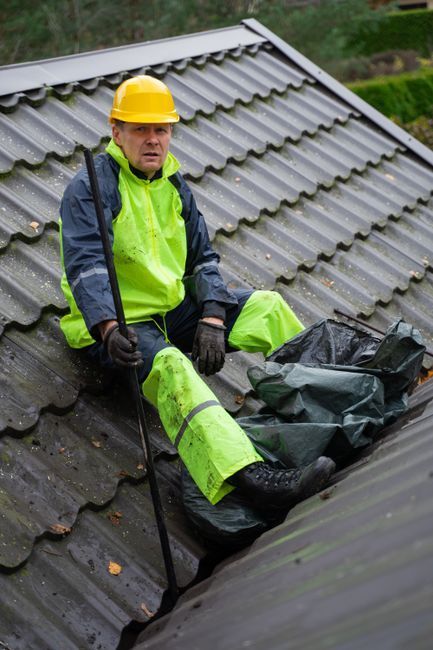
A biocide is a cleaning treatment designed to kill living growth. On a roof, that means the moss, the black and green algae and the crusty lichen patches that build up over the years. It works on the organisms themselves, not just the muck they leave behind.
This is the key difference from a quick scrub or a jet wash. Blasting a roof knocks the visible moss off, but it leaves behind spores and roots that are ready to grow straight back. A biocide goes after those, so the regrowth is much slower.
Think of it like weeding a path. Pulling the tops off is quick and looks tidy for a week. Killing the roots is what actually keeps it clear.
2. How soft washing puts it to work
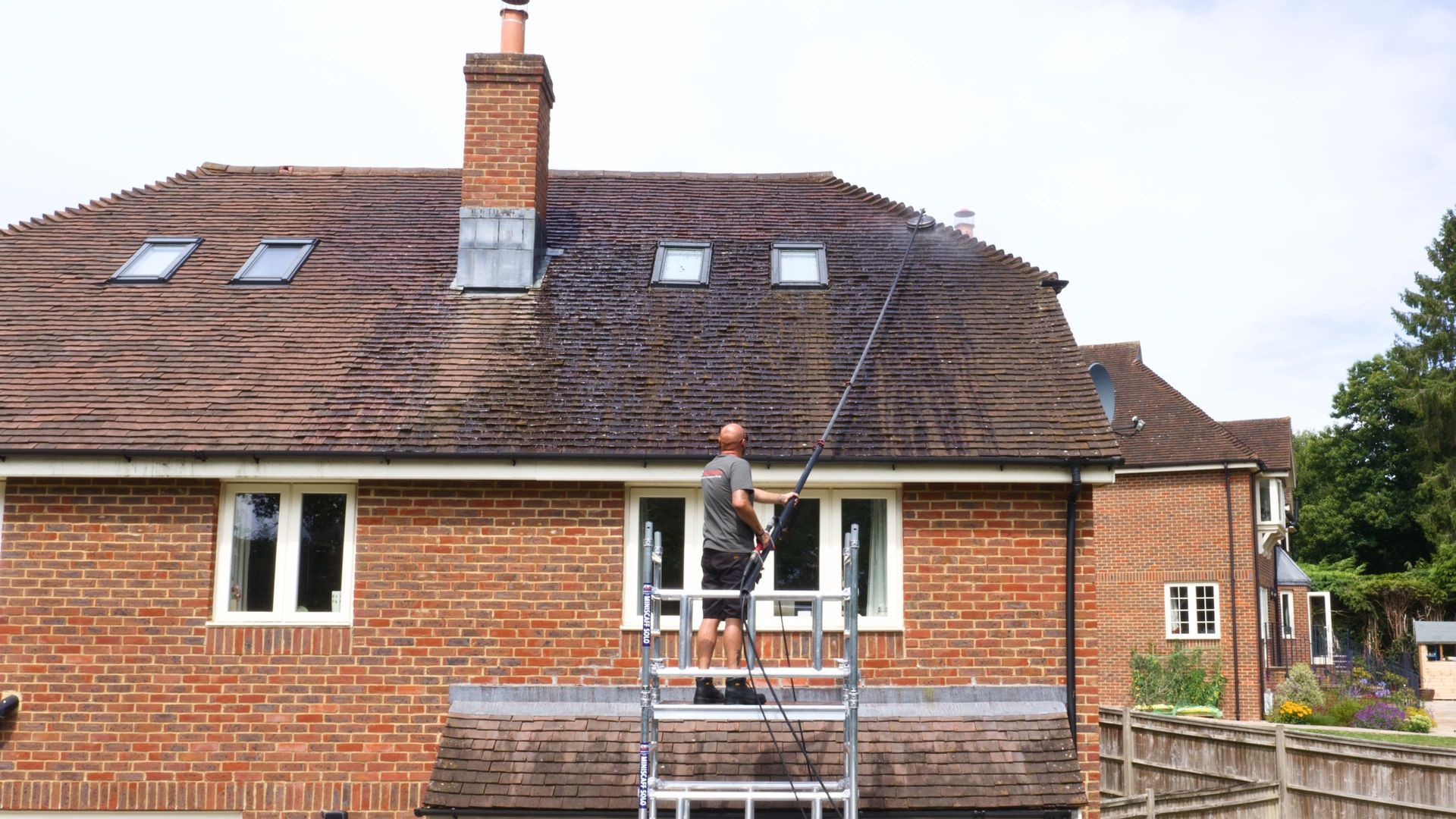
Soft washing is the method we use, and the biocide is at the heart of it. Instead of high pressure, the roof gets a low-pressure application of the treatment, which soaks into the moss and algae where it sits.
There is no aggressive blasting, so the tiles and slate are not stressed or damaged. The pressure stays gentle on purpose. The chemistry does the heavy lifting, working its way into the growth and killing it off at the root.
On roofs with thick moss, we often clear the worst of the bulk first so the treatment can reach what is underneath. Then the biocide finishes the job on everything that is left.
3. Why the roof keeps clearing after we leave
Here is the part that surprises people. Your roof often looks better a few weeks after the visit than on the day itself. That is the biocide doing its slow work.
Once the growth is dead, it loses its grip on the tiles. Then South London's regular rain does the rest, gradually washing the dead moss and algae down and off the roof. It is a slow rinse rather than an instant transformation, and it is completely normal.
This is also why we do not need to blast the roof clean on the day. Forcing every scrap off with pressure would risk the tiles. Letting the weather carry the dead growth away is gentler and just as effective.
4. What makes a clean last longer or shorter
No two roofs hold their clean for the same length of time. The single biggest factor is how much sun and air the roof gets. A south-facing slope in the open dries quickly after rain, and dry surfaces are hard for moss to colonise.
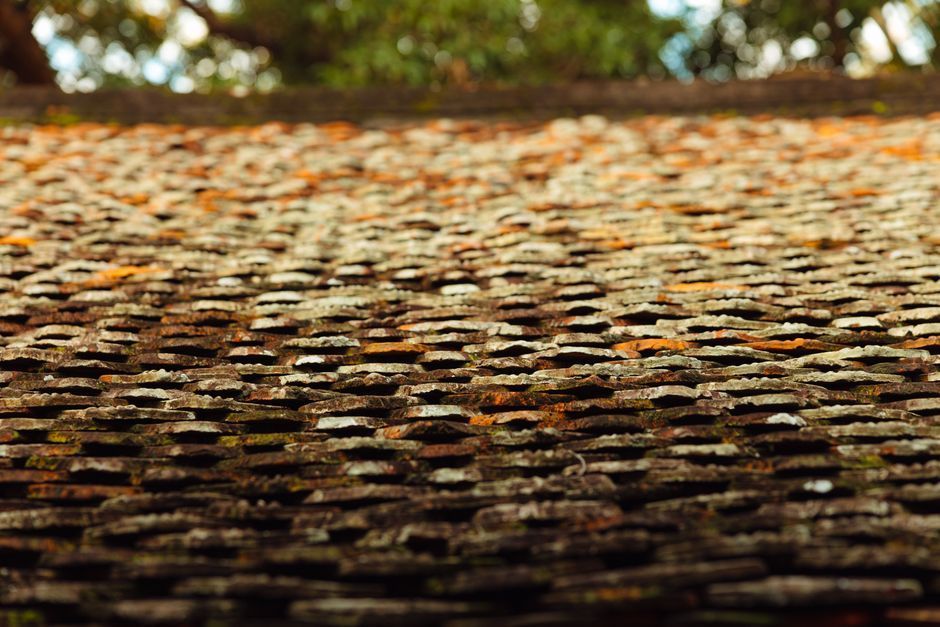
Shade is the enemy. A north-facing roof, or one shadowed by a tall neighbour or a big tree, stays damp for hours longer. In the leafy suburbs around Dulwich, Beckenham and the Norwood ridge, mature trees drop leaves and cast shade that both feed and shelter new growth.
The mild, damp London climate plays its part too. It rarely gets cold or dry enough to hold moss back for long, so regrowth here tends to be quicker than in a drier part of the country. None of this is a fault with the clean, it is just the setting.
- Roof aspect: south-facing slopes dry fast and stay clear longer, while north-facing ones stay damp and green up sooner.
- Overhanging trees: nearby planes, limes and chestnuts drop leaves and cast shade that shelter new growth.
- Surrounding shade: tall neighbours and hilly ground around Crystal Palace keep some roofs in shadow much of the day.
- Local climate: South London's mild, damp air rarely dries a roof out fully, so moss returns faster than in drier regions.
- Gutter upkeep: clear gutters and rooflines stop damp pooling at the eaves, which slows growth coming back low down.
5. How to make the treatment go further
You cannot change which way your roof faces, but a few things help the clean last. Keeping overhanging branches trimmed back lets more light and air onto the tiles, which is exactly what moss hates.
Keeping your gutters clear matters as well. When gutters block, water backs up and keeps the lower tiles and the eaves damp, giving growth a foothold at the roof edge. A clear run keeps that area drier.
Some people choose a lighter top-up treatment every so often rather than waiting for a full carpet of moss to return. Staying ahead of it is far easier than starting from scratch once the roof has gone fully green again.
6. When it is time to treat again
There is no fixed rule, because it depends on everything above. A well-placed roof in the open might go several years looking good. A shaded, tree-covered one in a damp pocket might show new growth sooner.
The thing to watch is the pattern rather than the calendar. A light green haze returning is normal and easy to deal with early. A thick, springy carpet of moss means it has been left too long and is holding water against the tiles.
The best approach is to keep an eye on the north-facing slopes and the shaded corners, since that is where it always comes back first. Treat it while it is still light and the roof stays in good shape for far longer.
Frequently Asked Questions
How long will my roof stay clean after a biocide treatment?
It varies with shade, trees and aspect. A sunny, open roof can stay clear for years, while a shaded roof under trees will green up sooner. There is no single number that fits every home.
Why does my roof still have moss right after the visit?
Because the biocide kills the growth slowly and the weather rinses it off over the following weeks. The roof often looks better a month later than on the day itself.
Is soft washing really better than a pressure wash?
For lasting results, yes. Pressure knocks moss off the surface but leaves the roots, so it grows back fast. A biocide kills the growth at the root, which slows regrowth right down.
Can I make the treatment last longer?
Trimming back overhanging branches, keeping gutters clear and staying ahead of new growth all help. More light and air on the tiles is the single best thing for it.
Will the treatment harm my plants or pets?
We apply the treatment carefully and take sensible precautions around the property. If you have specific concerns about your garden or animals, mention them and we will talk you through how we work.
Want a roof clean that actually lasts?
Ben's Roof Cleaning soft washes roofs, clears moss and sorts gutters across South London, with over 15 years of experience. Get in touch or call 020 3435 9666
for a free, no-obligation quote.
Killing the growth at the root is what buys you years, not weeks
A roof clean is only as good as what it leaves behind. Wipe the moss off the surface and it comes back fast. Kill it at the root with a proper biocide and the weather carries the dead growth away while the roof stays clear far longer.
Your setting decides the rest. Shade, trees and damp all pull the timeline in, so keep the light coming in and the gutters clear, and your clean roof stays that way.