Conservatory Roof Cleaning in South London Explained
You spent good money on that conservatory so you could sit in the light, not stare up at green streaks and a carpet of dead leaves. If the roof has gone grimy, the whole room feels darker and colder than it should.
Conservatory roofs get dirty in ways a normal roof does not. They sit low, they catch everything the garden throws at them, and half the panels are see-through, so every bit of muck shows. Here is how a proper clean works and what you can expect on a South London property.
The quick answer: Conservatory roofs need a gentle, low-pressure clean that lifts algae, leaf mould and grime off glass, polycarbonate, frames and gutters without cracking panels or forcing water through the seals. Because these roofs sit in shade under garden trees, they green up faster than you might think, so a careful soft wash is the safe way to bring the light back.
1. Why conservatory roofs get dirty so fast
A conservatory roof is low and almost flat compared with the main house. That shallow angle means water sits longer and dust settles instead of running straight off. Add a little damp and you get a thin green film in no time.
Most conservatories sit at the back of the house, tucked against a garden. In leafy parts of South London, think the tree-lined streets around Dulwich or Beckenham, that garden usually comes with a big tree or two. Falling leaves rot down into a dark sludge along the bars and in the valleys.
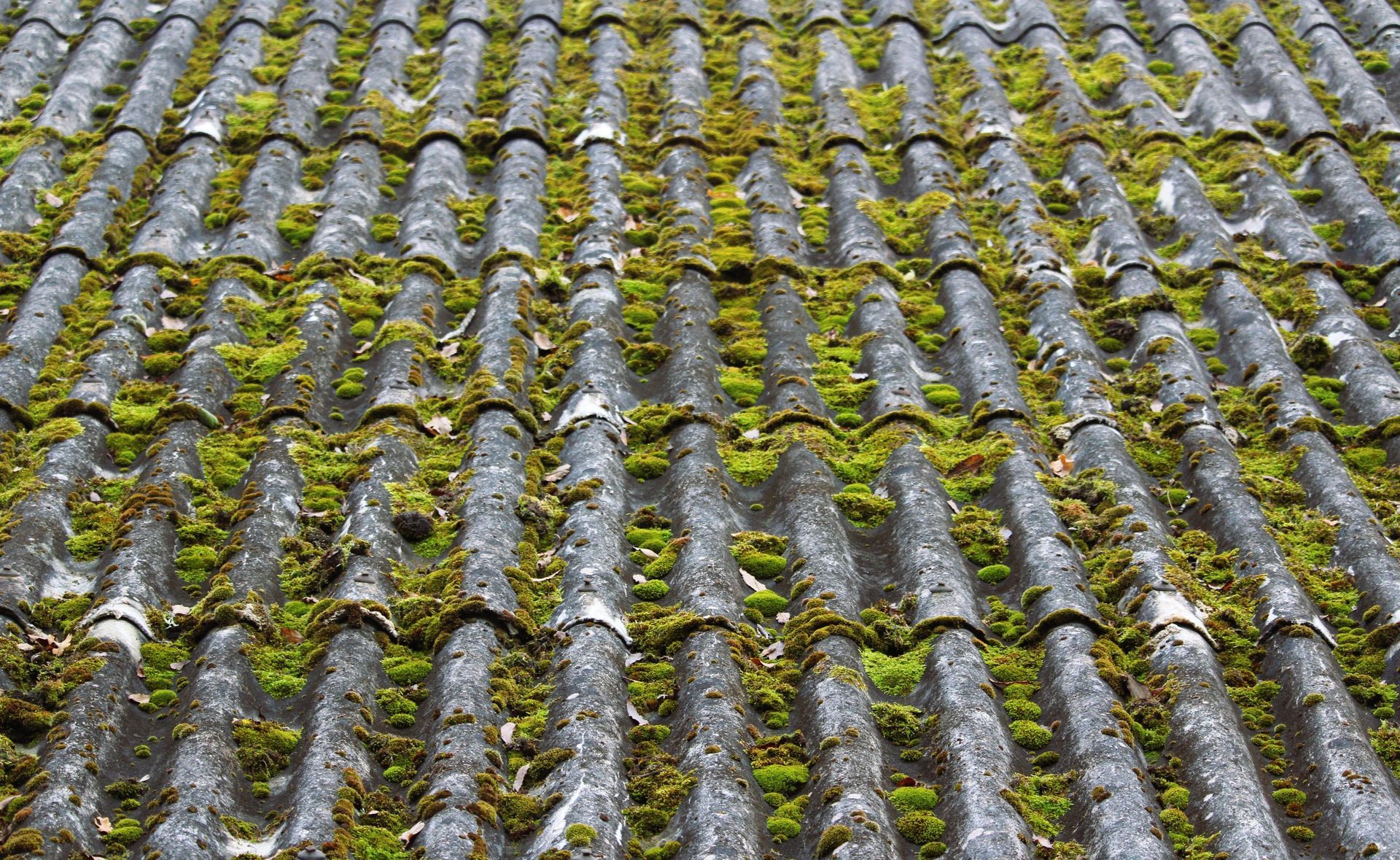
The shade from those same trees keeps the panels from drying out. Damp plus shade plus still air is exactly what algae likes, so the roof greens over again and again if it is left alone.
2. Glass, polycarbonate and the difference it makes
Conservatory roofs come in a few materials, and each one behaves differently. Older ones often have polycarbonate panels, those twin-wall plastic sheets that flex a bit and scratch easily. Newer builds tend to use glass, sometimes self-cleaning glass with a special coating.
This matters because you cannot treat them all the same way. Polycarbonate scratches if you go at it with anything harsh, and the hollow channels can trap green growth inside where you cannot reach. Glass is tougher on the surface but the seals and coatings still need a gentle touch.
A good clean matches the method to the material. Low pressure and the right cleaning solution lift the muck without scoring the plastic or stressing the seals.
3. Why we keep the pressure low
It is tempting to think a powerful jet wash would blast a conservatory roof spotless. In practice, high pressure is the last thing these roofs want. The panels are thinner than a tiled roof, the seals are the only thing keeping rain out, and force finds every weak spot.
Too much pressure can crack an older polycarbonate sheet, lift the capping on the glazing bars, or drive water straight through a tired seal and into the room below. Once water gets under the seals, you are looking at leaks and stains, not a clean roof.
Soft washing keeps things gentle. Low pressure plus the right solution does the lifting, so the panels come up clear and the seals stay sealed. Slow and careful wins here every time.
4. The frames, bars and finishing touches
The panels get the attention, but the frames and glazing bars are half the look. White uPVC frames pick up a grey-green tide mark where dirt and algae collect, especially on the shaded north side. Left long enough, that staining sinks in and gets harder to shift.
Aluminium frames on smarter conservatories hold up well but still gather grime along the joints. The ridge and the box gutter where the conservatory meets the house are classic trouble spots, packed with rotting leaves that block the flow.
A full clean takes in the panels, the frames, the bars and that join with the main wall. Miss the box gutter and you have cleaned the glass while leaving the bit most likely to cause a leak.
- Low, flat pitch: water and dust linger on the shallow angle instead of running off, so grime builds quickly.
- Garden trees: shade keeps panels damp and falling leaves rot into dark sludge along the bars.
- Panel material: polycarbonate scratches and traps growth inside, while glass needs care around seals and coatings.
- The box gutter: the channel where the conservatory meets the house clogs with leaves and is a common leak point.
- Frame staining: white uPVC picks up a green tide mark on shaded sides that sets in if left.
5. How often a South London conservatory needs it
There is no fixed calendar, because it depends on your setting. A conservatory in open sun with no trees nearby stays clear for a good while. One under a mature horse chestnut in a shaded garden can look grubby within a year.
South London's mild, damp air is kind to algae, so most conservatory roofs here benefit from a clean roughly once a year. Autumn leaf fall is the big test. If your gutters and valleys filled up last November, that is your sign.
Keeping on top of it is easier than rescuing a badly neglected roof. Thin new growth wipes away gently. Years of baked-on green and rotted leaf mould take far more work to shift.
6. What a clean does for the room below
The best part of a conservatory roof clean is what happens inside. Clear the green film off the glass and the room floods with light again. It feels brighter, warmer and a lot more pleasant to sit in.
There is a practical side too. Clearing the box gutter and downpipes lowers the chance of a leak coming through where the conservatory meets the house. That join is the weak point, and blocked water always finds a way in.
You also protect what you paid for. Letting algae and leaf mould sit on seals and frames year after year shortens their life. A regular gentle clean keeps the whole structure looking and working the way it did when it went up.
Frequently Asked Questions
Will cleaning crack my polycarbonate panels?
Not with the right method. We use low pressure, not a harsh jet, so the panels are cleaned gently. High pressure is what cracks tired polycarbonate, which is exactly why we avoid it.
Can you clean inside the twin-wall panels?
Green growth inside the hollow channels of polycarbonate cannot always be reached, since it sits within the sealed sheet. We can clean the surfaces thoroughly and clear the frames, bars and gutters around them.
Do you clean the conservatory gutter as well?
Yes, and it matters a lot. The box gutter where the roof meets the house is a common leak point, so clearing it of rotted leaves is part of doing the job properly.
My conservatory roof greens up every year, why?
Usually shade and damp. If it sits under garden trees on a north-facing side, it stays wet longer and algae thrives. An annual clean keeps it under control.
Will a clean make the room brighter inside?
Noticeably so. Once the green film comes off the glass, far more daylight gets through, and the room feels warmer and more inviting straight away.
Ready to get the light back into your conservatory?
Ben's Roof Cleaning cleans conservatory roofs, clears moss and sorts gutters across South London, with over 15 years of experience. Get in touch or call 020 3435 9666
for a free, no-obligation quote.
A clear conservatory roof turns a dark room back into a bright one
Your conservatory was built to bring the outside in. When the roof clouds over with algae and leaf mould, it stops doing that job, and the room turns cold and dim. A careful, low-pressure clean brings the daylight straight back.
Match the method to the material, clear that box gutter, and keep on top of it once a year. Do that and your conservatory stays the bright, warm spot you wanted it to be.